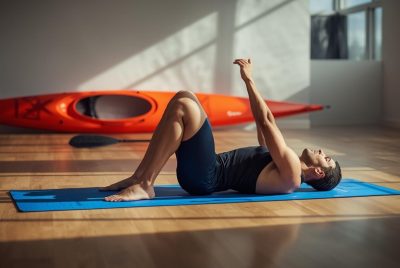
For kayakers, stroke power doesn’t come from strong arms alone—it starts at the center of your…
10 Must‑Have Kayaking Accessories Every Beginner Should Own

Stepping into the world of kayaking is exciting, but it can also feel a little overwhelming—especially when you realize just how many accessories exist.
As beginners, we want to feel confident, safe, and comfortable on the water without buying a pile of gear we don’t understand or won’t actually use.
You don’t need much to get started. What you do need, however, can make a huge difference in your experience.
We wrote this guide to simplify your decisions, help you avoid common beginner mistakes, and give you a clear look at the kayak accessories for beginners that are truly worth owning. Think of this as the friendly, practical advice we wish we had on our first paddling trips.
Below, we break down the top ten accessories that matter most for new kayakers—why they’re essential, how they work, and what to look for when choosing your own.
Our goal is to keep things simple, relatable, and confidence-boosting, especially if you’re preparing for your first time on the water.
1)) A Properly Fitting Personal Flotation Device (PFD)
Nothing matters more on the water than safety, and a good PFD is the cornerstone of every kayaker’s kit.
Many beginners think they’ll only need it “just in case,” but we know from experience that a well-designed PFD does more than keep you afloat. It gives you the confidence to relax, explore, and enjoy the experience without worrying about what could go wrong.
What beginners want to know:
- Do I need a specific type of PFD for kayaking?
- Will it be uncomfortable or restrict my paddling?
- How do I know it fits correctly?
What to look for:
Choose a paddle-specific life jacket with large arm openings, breathable materials, adjustable straps, and pockets for small essentials.
When it’s adjusted properly, it should feel snug but not tight—and it definitely shouldn’t ride up toward your chin when you lift your arms.
A beginner-friendly PFD is one of the best kayak accessories for beginners because it immediately increases both safety and comfort. And once you have the right one, it quickly becomes a piece of gear you’re grateful for on every trip.
2)) A Lightweight, Beginner-Friendly Paddle
If a PFD is the most important safety accessory, a good paddle is the most important comfort accessory.
Beginners often underestimate how much a paddle affects their entire kayaking experience.
Many people start with the cheapest paddle they can find, only to realize a heavy or poorly sized paddle leads to fatigue, shoulder strain, and slower progress.
What beginners want to know:
- How long should my paddle be?
- Does weight really matter?
- What makes one paddle better than another?
What to look for:
Your paddle should be sized based on your height and kayak width. A lighter material like fiberglass helps reduce fatigue, allowing you to paddle longer and enjoy the day instead of constantly taking breaks.
Look for comfortable grips, angled blades, and a two-piece design for easy transport.
A good paddle doesn’t just help you move more efficiently—it makes paddling feel smooth, natural, and enjoyable. It’s one of the smartest early investments you can make.
3)) A Reliable Dry Bag for Phone, Keys, and Essentials
Every beginner has the same thought at some point: “My stuff won’t get that wet.” And every experienced kayaker knows this is one of the fastest lessons beginners learn.
Whether from splashes, dripping paddles, surprise waves, or an unexpected swim, water finds a way into places you didn’t expect.
This is why a dry bag is one of the most practical kayak accessories for beginners.
What beginners want to know:
- What size dry bag do I need?
- Will it actually keep my phone dry?
- Should I get more than one?
What to look for:
Choose a simple roll-top dry bag between 10 and 20 liters to start. It should be waterproof, durable, and easy to clip onto your kayak.
Many kayakers also use a separate small waterproof phone case inside the dry bag for extra protection. A couple of different sizes eventually come in handy, but you only need one to start.
Dry bags offer peace of mind. They protect your essentials and allow you to bring snacks, a towel, or a lightweight jacket without worrying about anything getting soaked.
4)) Proper Footwear: Water Shoes or Sandals That Stay Put
Kayaking often involves stepping into shallow water, walking on slippery rocks, or getting your feet wet while launching.
Beginners frequently assume old sneakers or flip-flops will work, but this usually leads to discomfort or unsafe footing.
Proper footwear is a small accessory that makes a big difference for safety and comfort.
What beginners want to know:
- Do I really need water shoes?
- Can I just wear sandals?
- What’s the best type for kayaking?
What to look for:
Choose shoes that:
- Provide traction on wet surfaces
- Stay secure on your feet
- Dry quickly
- Protect you from rocks and debris
Water shoes, sport sandals with straps, or neoprene booties all work well. Avoid anything loose or slippery.
Good kayaking footwear helps you enter and exit the kayak safely and comfortably, especially on uneven or rocky shores.
5)) A Bilge Pump or Sponge (Especially for Sit-Inside Kayaks)
If you’re using a sit-inside kayak, a bilge pump or absorbent sponge is non-negotiable. Even small amounts of water inside the cockpit can add unnecessary weight, reduce stability, or make your paddling uncomfortable.
What beginners want to know:
- Do I need a pump for a sit-on-top kayak?
- How does a bilge pump work?
- Why does water get inside my kayak at all?
What to look for:
A handheld bilge pump quickly pulls water out of the cockpit, while a sponge helps remove the last bit of moisture. Sit-on-top kayaks usually drain more easily, but a small sponge is still helpful.
This is one of those kayak accessories for beginners that seems optional—until you need it. Once you use it once, you’ll never paddle without it.
6)) A Paddle Leash or Paddle Holder
Every kayaker has a moment where they stop to take a photo, adjust their seat, or simply rest for a second.
And more often than you’d expect, this is when the paddle likes to slide off the deck and drift away. A paddle leash or clip prevents the classic “I just lost my paddle” situation.
What beginners want to know:
- Should I use a leash or a clip?
- Is a paddle leash safe?
- Will it get in the way?
What to look for:
Paddle leashes connect your paddle to your kayak, while paddle clips secure it on the deck.
Both options work, but beginners often prefer clips because they reduce the chance of entanglement. If you choose a leash, keep the cord short enough to stay out of your way.
Having a secure place for your paddle helps you focus on your experience without worrying about losing your most important piece of equipment.
7)) A Comfortable Kayak Seat or Seat Cushion
One of the first things beginners discover is that not all kayak seats are comfortable—especially during longer trips. A seat that lacks padding or support can lead to back strain and cut your day short.
Upgrading your seat is an easy way to make kayaking more enjoyable.
What beginners want to know:
- Do I need a new seat, or just a cushion?
- Will it fit my kayak?
- Is seat comfort really that important?
What to look for:
Look for:
- Adjustable back support
- Padding that holds its shape
- Straps that attach securely
- Materials that resist water and mildew
Many universal seats fit standard sit-on-top kayaks, while sit-inside models may need a compatible cushion.
Either option boosts comfort dramatically and is one of the most appreciated kayak accessories for beginners.
8)) A Deck Bungee System or Gear Storage Setup
Organizing your gear on the water makes everything easier. Beginners often bring more items than they expect—water, snacks, sunscreen, a hat, maybe a camera—and without a system to secure them, things tend to roll around or fall overboard.
A simple deck bungee kit or built-in rigging helps keep everything in place.
What beginners want to know:
- How do I secure my dry bag?
- What goes on the deck vs in the hatch?
- Do I need extra bungees?
What to look for:
Deck bungee kits allow you to:
- Strap down dry bags
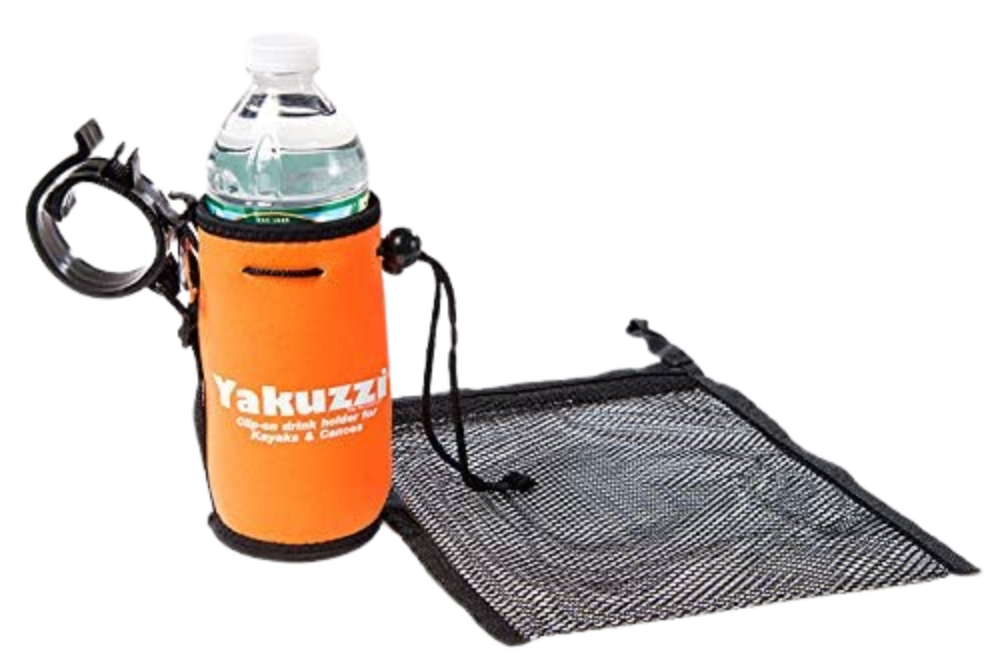
- Attach water bottles
- Keep items accessible
- Prevent things from falling into the water
Even a modest amount of rigging can transform your paddling experience, helping you feel organized instead of scattered.
9)) A Basic Safety Kit: Whistle, First Aid, and Visibility Gear
We’re all about safety without the scare tactics. A simple, compact safety kit ensures you’re prepared without feeling weighed down. Most of these items are inexpensive, lightweight, and easy to pack.
What beginners want to know:
- What safety items are required by law?
- What’s actually useful vs. overkill?
- Do I need a first aid kit on the water?
What to include:
- A whistle (required in most places)
- A small first-aid kit
- A headlamp or safety light
- Sunscreen and lip balm
- Insect repellent
- A space blanket or emergency towel
These items matter more than most beginners realize. They don’t take up much space, but they truly prepare you for the unexpected.
10)) A Kayak Cart for Easy Transport
Kayaks can be awkward to carry, especially if you’re paddling solo. A kayak cart saves your back, protects your kayak, and helps you launch with ease—even if you have to walk a distance from your car to the water.
What beginners want to know:
- Do I need a cart if my kayak isn’t heavy?
- Will it fit my model?
- Is it difficult to set up?
What to look for:
Choose a lightweight, foldable cart with durable wheels that roll well over sand, grass, and uneven terrain.
A good cart allows you to reach the water without struggling—something that makes the whole experience feel smoother and more enjoyable from the start.
This is one of the kayak accessories for beginners that feels like a luxury until the first time you use it. After that, you’ll wonder why you didn’t get one sooner.
Conclusion
Starting your kayaking journey doesn’t mean buying every piece of gear on the market.
Focus on the essentials that give you confidence, safety, and comfort on the water. The ten items above create a solid foundation, helping you avoid frustration and enjoy every moment of your new hobby.
Each accessory serves a purpose: to keep you safe, keep you dry, keep you comfortable, or simply make your day easier.
When your gear works with you instead of against you, everything feels more natural—and you get to focus on the fun parts of kayaking rather than the stress.
And that’s exactly what we want for every beginner: a smooth, relaxed, enjoyable entry into the sport, with the right tools to help you grow into a confident paddler.

More to Explore